













Piggy Kingdom
 Safety


Editor's Review
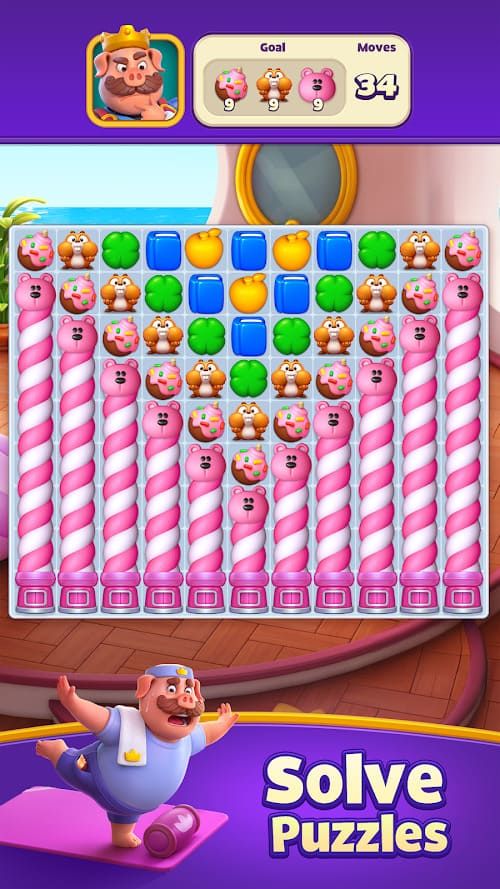
Piggy Kingdom is an indie match-3 puzzle game with a castle renovation progression, in which the player matches colored items to accomplish level goals and get stars to restore a kingdom. Although the mechanism of the gameplay and the strategies of monetization are extensively discussed in the mobile games discourse, the technical implementation and the design of user experience can become no less essential to the satisfaction of players.
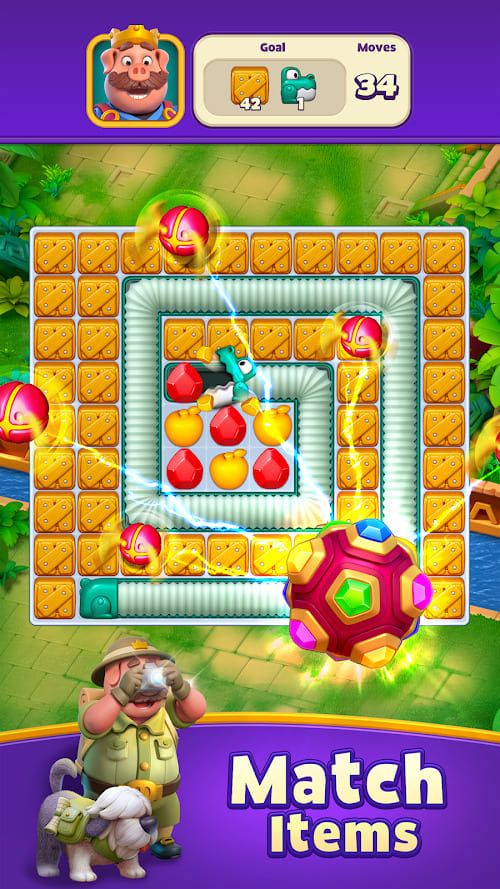
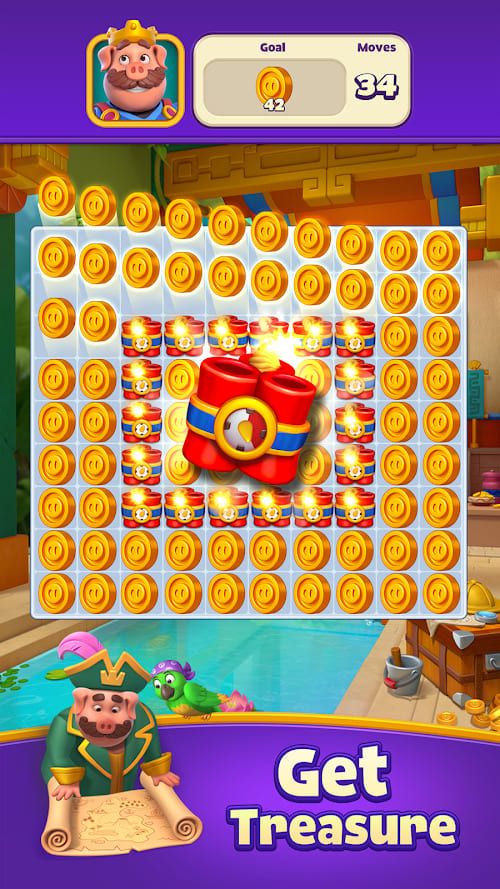
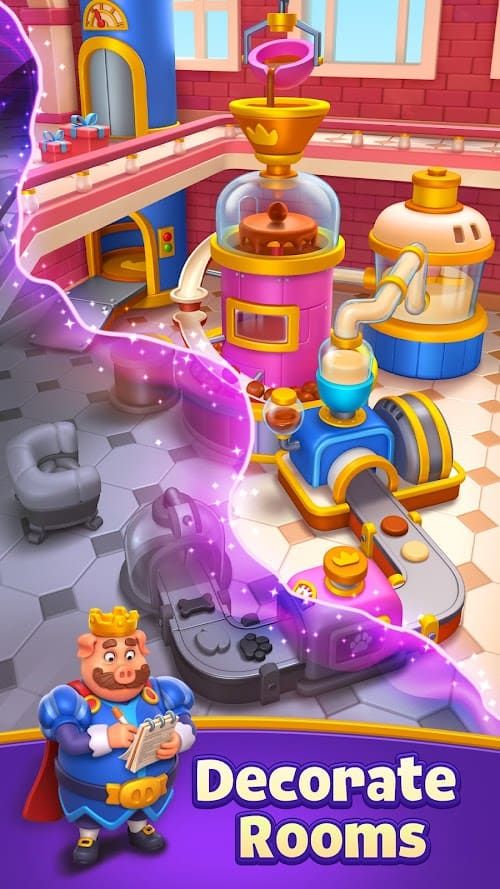
The visual presentation demonstrates competent but unremarkable execution. The match-3 board displays clearly with distinct colored gems, wooden boxes, grass tiles, and other obstacles maintaining visual clarity even during complex cascading matches. Power-up indicators—striped candies from four-matches, wrapped candies from L-shapes, and rainbow blasts from five-matches—register distinctly, allowing players to plan combinations strategically. The castle renovation graphics show adequate detail in fountains, shrubs, furniture, and interior decorations, though the art style remains generic rather than distinctively memorable. Visual performance runs smoothly on standard devices without apparent frame rate issues during normal gameplay.
However, severe technical problems plague the advertisement integration system. Multiple players consistently report that third-party advertisements from Snazzy, Best Play, and Surveys to Go forcibly crash the application or eject players from active gameplay. Most critically, these advertisement interruptions occur during timed competitive events like Cake Duel, causing players to lose competition progress entirely through no gameplay fault. When technical failures directly cause competitive losses, the problem transcends minor annoyance and becomes fundamental user experience breakdown that contradicts the game's competitive design intentions.
The advertisement implementation reveals deeper quality assurance failures. Properly integrated advertisements should pause gameplay, display content, then seamlessly return players to their exact previous state. Piggy Kingdom's advertisement system instead treats ad viewing as a disruptive external event that terminates active sessions. This suggests inadequate testing of the advertisement SDK integration or perhaps deliberate prioritization of ad delivery over gameplay integrity. Either explanation reflects poorly on olleyo's commitment to technical polish.
Beyond advertisements, players report inconsistent competitive opponent behavior suggesting algorithmic or networking issues. In Bumper Duel competitions, opponent scores frequently remain static when players exit and re-enter the event, implying either server synchronization failures or deliberate bot implementation masquerading as human opponents. Genuine multiplayer competition requires reliable data synchronization—if opponent progress doesn't update properly, the entire competitive premise becomes meaningless. This technical limitation fundamentally compromises a core feature that supposedly differentiates Piggy Kingdom from standard match-3 games.
The user interface demonstrates acceptable but unexceptional design. Menu navigation follows conventional mobile game patterns with clearly labeled buttons for events, settings, and store access. The level map presents straightforward linear progression without confusing branching paths. Nevertheless, the interface does not include quality-of-life improvements found in the top competitors. Players are not allowed to see the goals of the next levels before using energy or lives, and they have to enter the game blindly, and seemingly hard, challenges. The game provides no detailed statistics tracking—no win/loss ratios, no average moves per level, no performance trends over time. These omissions represent missed opportunities to deepen player engagement through self-improvement tracking.
Power-up management suffers from interface awkwardness. Players must navigate through multiple menu layers to access and activate pre-level boosters, and the game provides insufficient explanation of optimal power-up combinations for specific obstacle types. More critically, purchased boosters and extra moves occasionally fail to apply correctly to active levels, with players reporting spending money only to find the purchased advantages don't register. When monetization technical failures cost players real money, trust erodes rapidly and permanently.
The game also lacks robust account recovery and progress backup systems. Players mention concerns about losing progress if devices fail or if they switch phones, suggesting inadequate cloud save implementation or unclear communication about backup procedures. For games expecting months of player investment, reliable progress preservation isn't optional—it's fundamental.
By Jerry | Copyright © GameHola - All Rights Reserved


















Comments