







Supreme Duelist
 Safety


Editor's Review
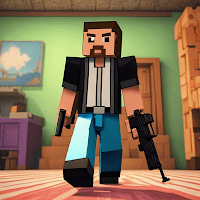
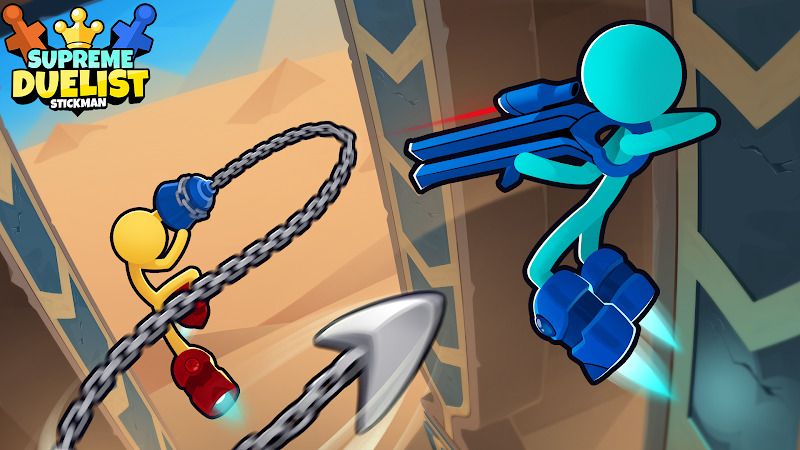
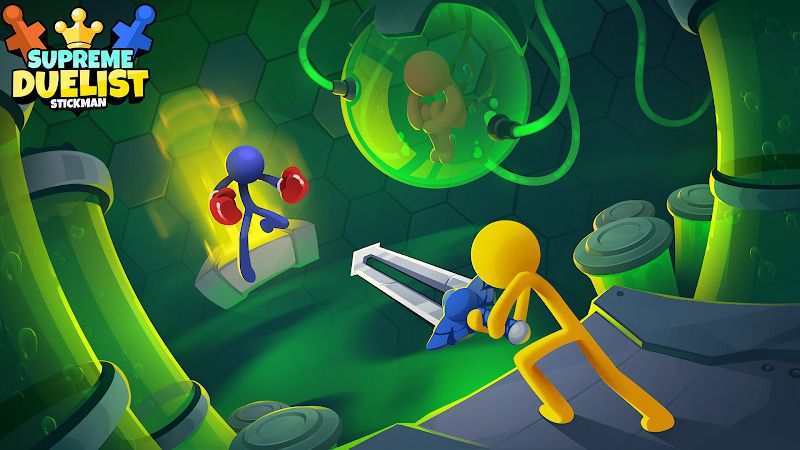
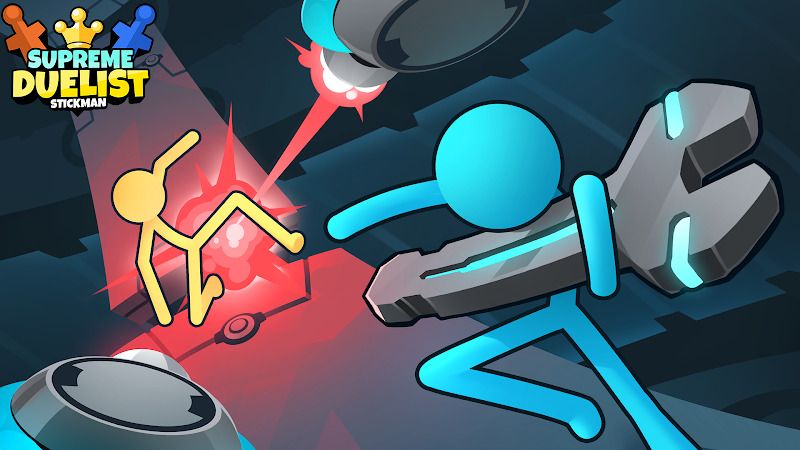
Supreme Duelist, made by Neron’s Brother, gained attention thanks to dynamic fights plus a focus on shared play. Right from launch, it encouraged face-to-face matchups; even controls like twin joysticks or random maps help spontaneous rounds among nearby players. This group-centered vibe stands out strongly - yet at the same time brings constraints that can reduce lasting interest.
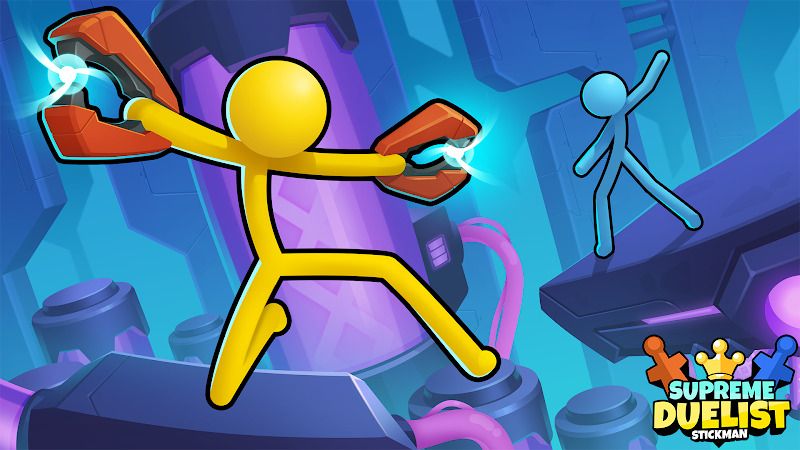
Local multiplayer forms the heart of this game. One device lets two people compete side by side, each handling a ragdoll character through their own touch zone. Controls stay stripped down to keep screen space clear when sharing. Movement, defense, jumps, and unique moves depend only on swipe directions - so picking up how to play takes moments. That simplicity suits quick sessions between tasks, while traveling, or at gatherings where extra gear or internet isn't needed.
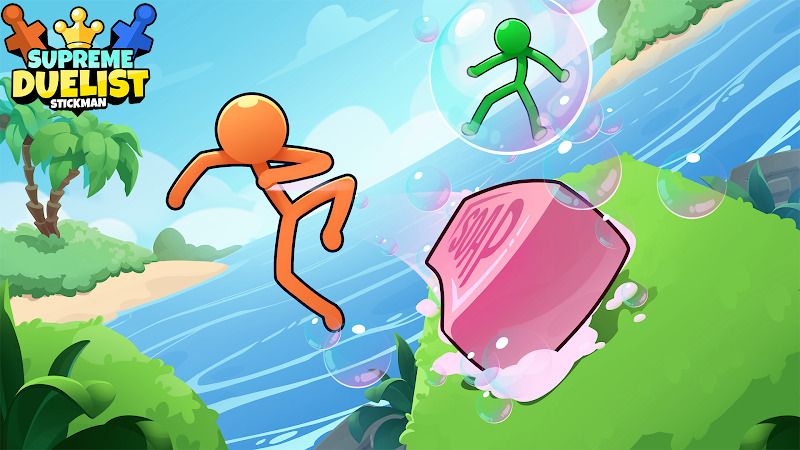
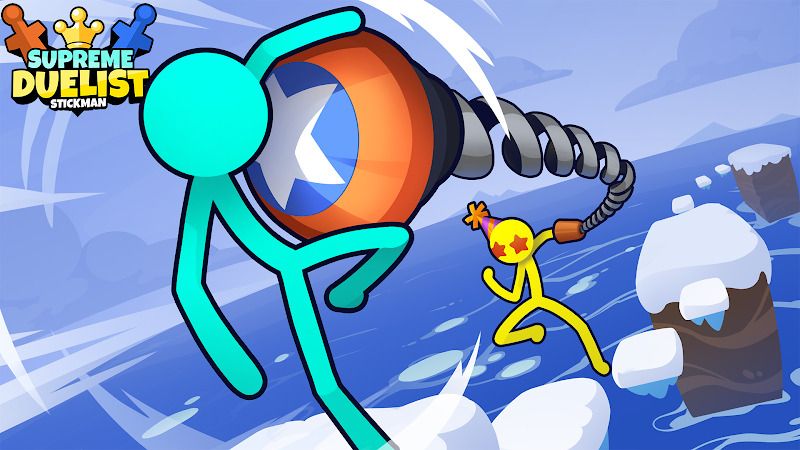
The game's physics boost the fun vibe. Since fighters tumble and crash around, hit barriers, spin out while jumping, or hurl themselves into danger zones by mistake, outcomes tend to surprise people - often in funny ways. Because of this wild nature, brief multiplayer rounds shine; every bout turns into a fast tale worth chuckling at instead of stressing over precision play. Arenas featuring drop-offs, moving belts, or wobbly floors increase randomness, helping new players stay engaged during face-offs.
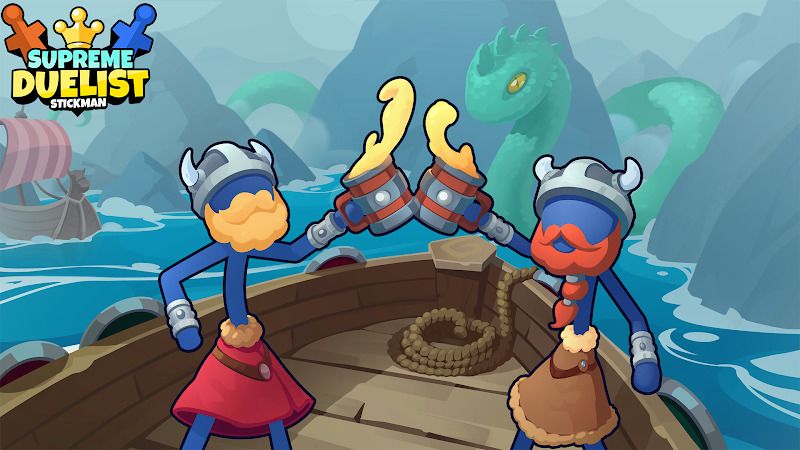
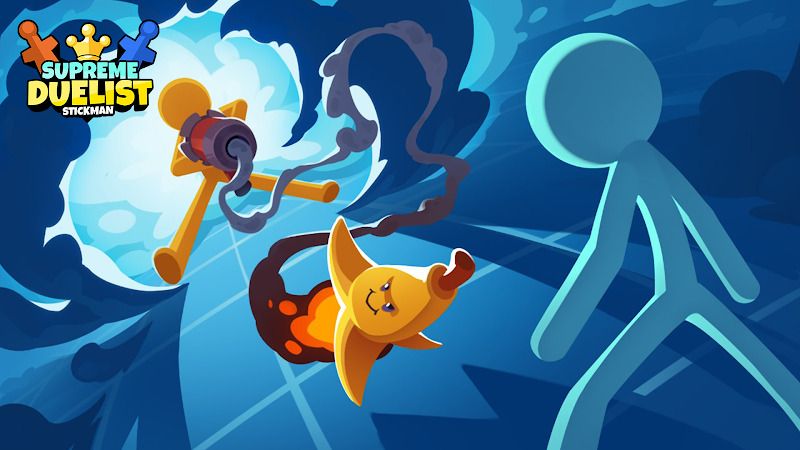
Supreme Duelist includes extra ways to play with others, like chaotic matches for up to four people or team-based survival challenges. When playing free-for-all, the action feels wild but managed, since everyone must keep balance amid random gear spawns and shifting surroundings. The survival option brings teamwork into focus - two players join forces to face AI opponents that grow stronger over time. Since physics impact all characters the same way, working together means adapting on the fly: shoving foes toward danger zones, sharing loot wisely, or switching between attacking and holding ground.
Yet the close-knit setup that boosts interaction also creates boundaries. Since there’s no complete online match system, users can't consistently challenge others beyond their area. Although Wi-Fi lets nearby gadgets connect, results hinge on signal quality and fall short of worldwide access. Consequently, those seeking steady competition need pals present in person - this narrows growth chances and limits opponent diversity.
The physics-driven fights are funny at parties - yet tricky for those focused on competition. When ragdolls collide, knockbacks go off in strange directions; meanwhile, stage dangers may wipe out a player without either side really causing it. During relaxed play, this adds humor - but in organized matches, outcomes seem random and annoying. Anyone aiming to duel seriously soon notices the gameplay lacks steady results.
Even with these limits, the game's social setup stands out clearly. Because it’s easy to jump into, uses shared-screen mechanics, while offering wild physical reactions, it works well for casual meetups, brief playtimes, or trying things together. The title shines as a space for group fun - where surprises turn into enjoyment - even though that keeps serious competition at bay.
By Jerry | Copyright © GameHola - All Rights Reserved












Comments