












Malatang Master - Mukbang ASMR
 Safety


Editor's Review
Malatang Master stands out immediately due to its presentation; this is a game that knows it's selling a vibe just as much as it is a gameplay loop. From the opening screen, with its pastel color palette and soft lighting, all the way down to the tiny details on each skewer in the pot, it's clear that Supa Inc. built the experience for players who care just as much about aesthetics, comfort, and polish as they care about mechanics.
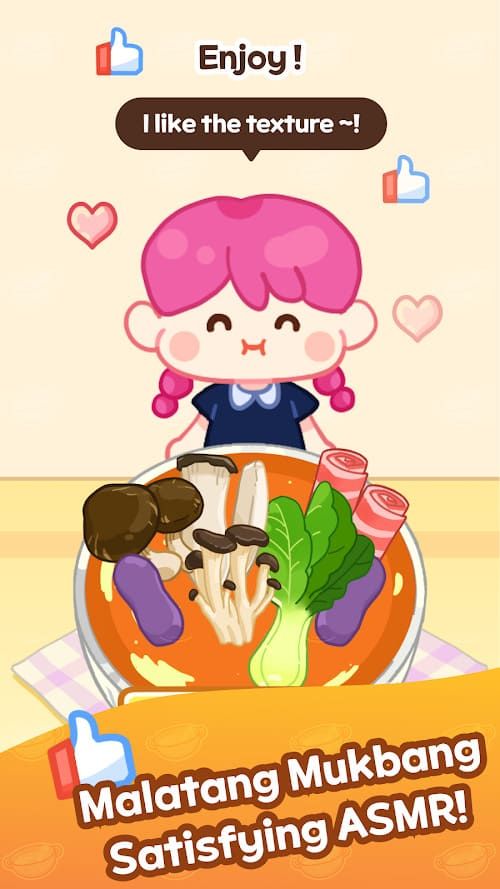
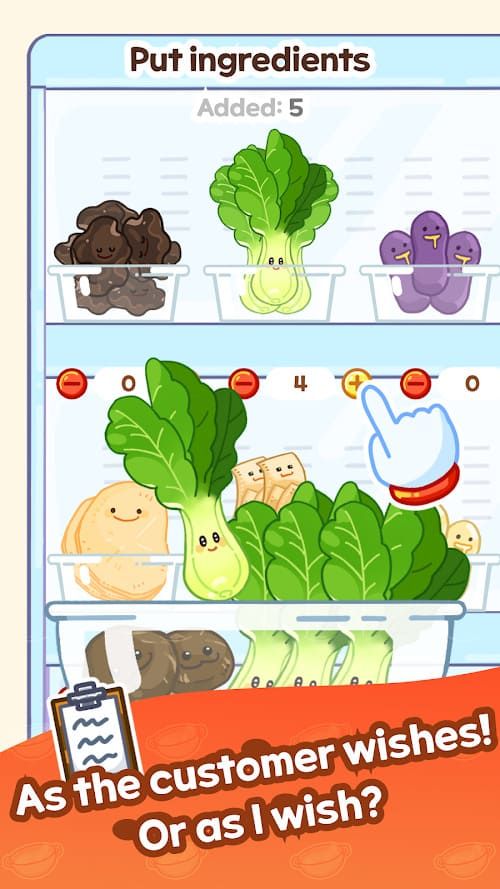
On the visual side, the game leans hard into a “kawaii café” aesthetic rather than a realistic hotpot shop. Ingredients feature soft shapes plus bold hues - this helps sausages, crab sticks, mushrooms, or noodles stay clear even on tiny screens. As they hit the broth, the liquid moves, steams, and changes texture while the bowl gets full, giving every meal a different look. Patrons are crafted with care: over 20 types exist, each wearing distinct clothes, showing varied moods - from quiet learners to lively clerks or odd frequent guests. Their order cards also carry personality, with icons and other small details that help convey preference at a glance. This level of visual clarity is a real strength, because the entire game depends on your recognition of items and customers - and fast.
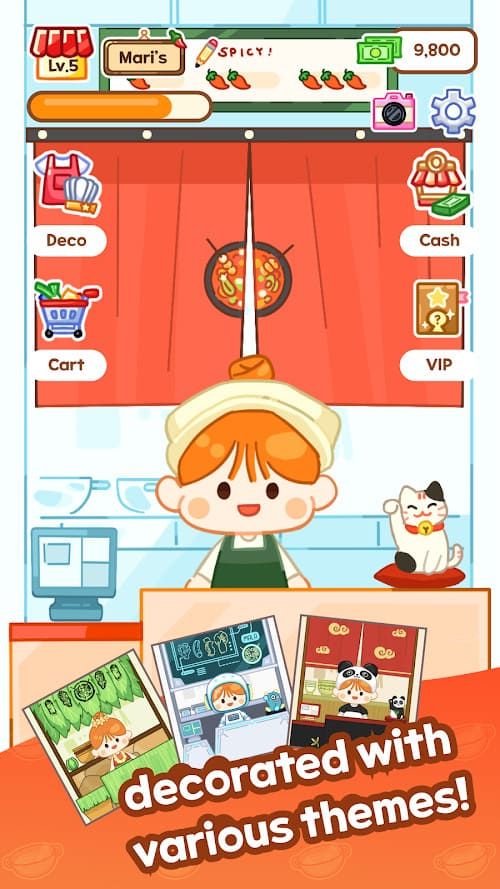
That sense of visual identity is amplified by the restaurant customization system. You’ve got more than 50 decor pieces to collect - wall art, lights, countertops, tables, flooring designs, even outfits for your character. These let you slowly reshape the starting shop into something that looks like it came straight from a cozy gaming Instagram feed. Because the camera often stays focused on your store during cooking, each change adds weight to how things look every session. Still, decoration tools aren't advanced - you drop items into fixed spots rather than positioning them freely. Also, color tweaks are limited to what’s built into the game. So after unlocking top choices, many player shops start resembling one another.
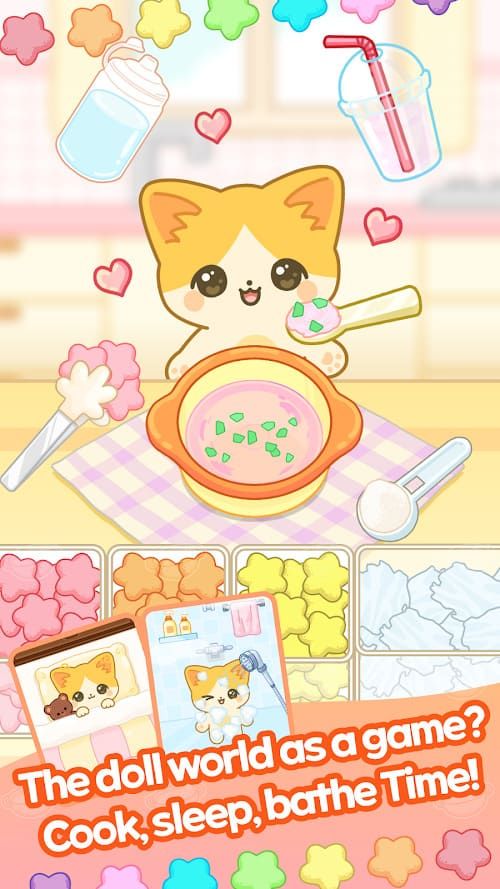
Overall, performance and usability are good, especially on more modern devices. The animations feel smooth, and the touch controls for dragging ingredients, tapping order buttons, and navigating between the malatang shop, photocard studio, and doll room are responsive. Loading times across areas stay brief - keeping it easy to switch modes mid-session. The layout stays simple: big curved buttons, little text mess. Still, several users mention missing ingredient labels while cooking, making similar dishes tricky to tell apart - especially if you’re new to Korean or Chinese elements. Feedback asking for visible names or a help section shows a minor yet clear flaw in how the experience flows.
Player feedback regarding polish is generally very positive, especially on how little the game interrupts the player with unwanted ads. Many reviews are in praise of the fact that advertisements are opt-in and reward players with things like extra money, gacha pulls, or decorating items instead of popping up mid-order. That design choice supports the game's "cozy" identity through avoiding jarring breaks in the audio-visual flow.
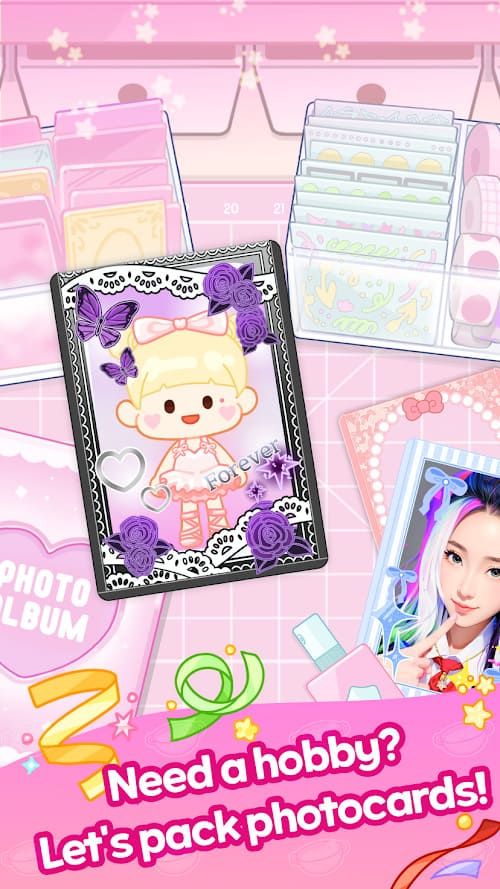
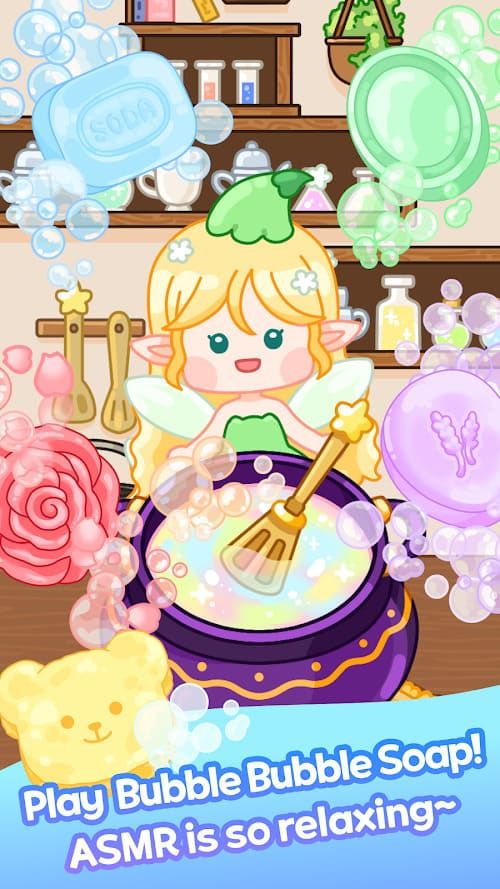
Another strength of Malatang Master is its attention to “feel.” The combination of animated food, subtle screen shakes when you drop ingredients into the pot, and the synced ASMR sounds creates a tactile illusion that makes even simple actions satisfying. This extends to the photocard and doll modes, where sliding cards into sleeves or scrubbing the doll in the bath is accompanied by tiny visual and audio cues designed to trigger a “nice, that felt good” response. The limitation here is that once you become accustomed to these micro-pleasures, there is not much new sensory content to unlock beyond more ingredients, stickers, and decorations. The core animations and camera work remain largely the same across the game’s lifespan, which can cause the wow factor to fade over weeks of play.
By Jerry | Copyright © GameHola - All Rights Reserved


















Comments