












Star Merge - Match Island Game
 Safety


Editor's Review
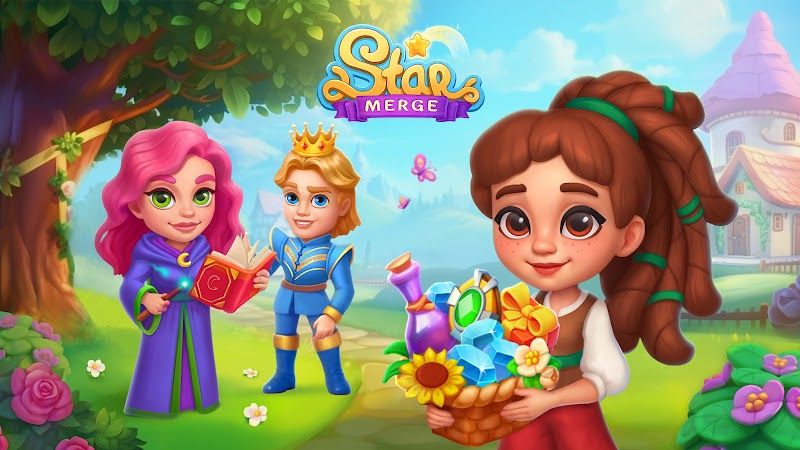
Star Merge invites players to restore Sitaara Island through merge-based gameplay centered around protagonist Mira's restoration mission. While narrative and progression mechanics receive considerable attention in game reviews, Star Merge's interface design and quality-of-life features fundamentally shape daily player experience.
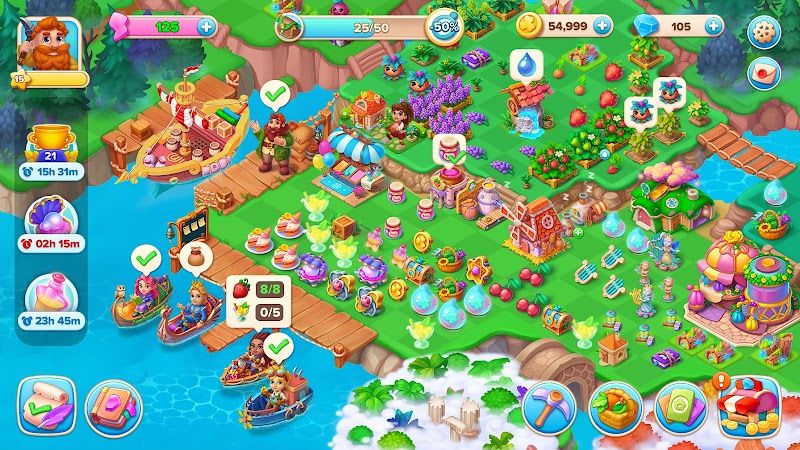
The game board interface demonstrates thoughtful spatial organization addressing mobile platform constraints. Unlike merge games presenting overwhelming visual clutter, Star Merge implements distinct zone demarcation—production buildings occupy designated areas separate from creature habitats, agricultural plots remain visually distinguished from factory chains, and quest objectives highlight relevant board sections without obscuring player visibility. This zoning reduces cognitive load when managing multiple simultaneous production chains, particularly valuable when coordinating complex sequences like maintaining water supply for crops while evolving creatures through dragon stages and fulfilling mermaid pearl exchange requirements.
Star Merge's builder system represents its most significant quality-of-life triumph. The game provides four builders simultaneously at certain advancement levels, double the two builders offered by direct competitor EverMerge. This design choice acknowledges that construction timers represent player frustration points rather than meaningful strategic decisions. When completing Olaf's quest chains requires constructing numerous structures with multi-hour completion times, having four concurrent builders transforms potentially tedious waiting into manageable background progression. Players consistently praise this feature as dramatically improving pacing compared to merge games artificially constraining construction through builder scarcity.
However, critical interface oversights undermine these strengths. The absence of merge confirmation dialogs creates recurring frustration when players attempt five-merges but accidentally trigger three-merges instead, wasting carefully accumulated resources. This technical implementation failure suggests insufficient playtesting or deliberate design encouraging accidental consumption to drive monetization. Either explanation reflects poorly on user experience prioritization. The game implements confirmation dialogs for collecting high-value coins but inexplicably omits them for merge actions representing far greater strategic investment, revealing inconsistent interface design philosophy.
The production mill expansion system exemplifies misleading interface design. Players can purchase additional ingredient slots using premium diamond currency, with interface presentation suggesting these upgrades improve processing efficiency. Reality contradicts this implication—expanded slots merely allow queuing more orders without actually accelerating production speed. Players who invest diamonds discover the upgrade provides minimal practical value, feeling deceived by interface messaging that implied meaningful efficiency gains. This represents either unintentional miscommunication or deliberately exploitative design encouraging wasteful premium currency expenditure.
Automation features reveal contradictory design philosophy. The game automatically collects completed production from buildings, reducing repetitive tapping and acknowledging mobile gaming often occurs during fragmented attention windows. Conversely, creature evolution requires manual intervention at each stage—eggs don't automatically become dragons, requiring players to repeatedly engage with the same creatures across dozens of incremental transformations. This selective automation creates inconsistent interface expectations, where production buildings respect player time while creature systems demand constant micromanagement.
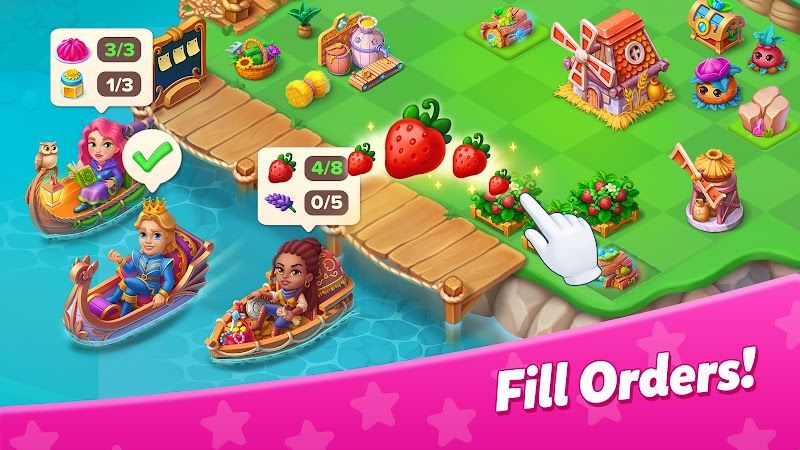
Visual feedback systems demonstrate professional polish in certain contexts while remaining inadequate elsewhere. Quest objectives highlight required items with glowing indicators and board location arrows, facilitating efficient task completion. However, the Reflection Magic chain producing Drops of Reflection—critical resources for merge optimization—provides no production queue visibility or completion notifications, forcing players to manually check progress repeatedly. This inconsistency suggests feature development occurred across different timeframes without unified interface standards enforcement.
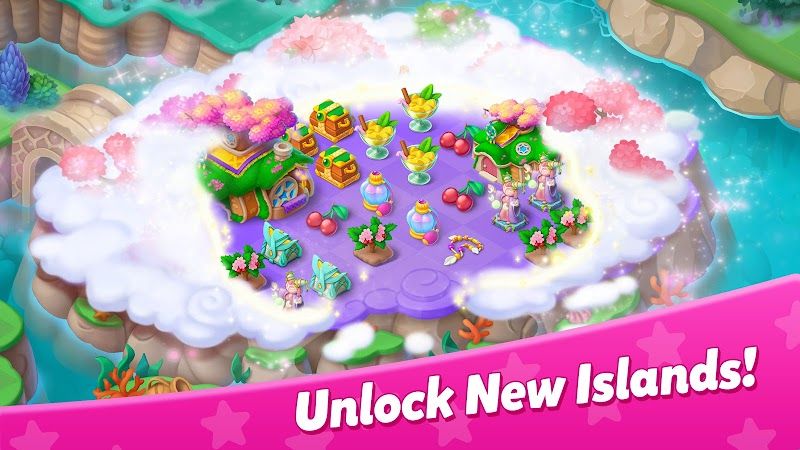
The board expansion interface presents perhaps the most problematic user experience element. When unlocking new land parcels requiring eighteen thousand star tokens while highest-tier star bottles provide merely eight hundred ten tokens, the interface provides no clear progression visualization. Players cannot easily assess how many bottles they need or track advancement toward unlock thresholds, transforming what should be satisfying expansion into opaque grinding. The absence of progress bars or token accumulation projections represents fundamental interface design failure for core progression mechanics.
By Jerry | Copyright © GameHola - All Rights Reserved















Comments